Central and Peripheral Lines Review for REx-PN®
Q: Which of the following best describes the differences between a peripheral IV line and a peripherally inserted central line (PICC) catheter?
A. A peripheral line is an implantable port used for intravenous (IV) therapy
B. A PICC line is a central line inserted into a large peripheral vein and threaded into the subclavian
vein
C. A PICC line is a peripheral IV line used to draw blood and administer medications
D. A PICC line is used for enteral nutrition
Knowing the difference between a central line and a PICC is essential for nurses to pass the REx-PN®. Today, we will review these two systems. Let's first talk about central lines and what they are for.
Parenteral Nutrition and Central Lines
Parenteral nutrition (PN) is an intravenous (IV) delivery of highly concentrated nutrients and vitamins. Often it is referred to as total parenteral nutrition (TPN) or hyperalimentation. It is prescribed when ingestion, digestion, and absorption are impaired. Then, the nutrients are directly delivered to the circulation.
There are two major types of PN that are often used for long-term nutritional support or when a client requires a diet higher in protein and calories, which cannot be achieved orally or enterally.
Peripheral total parenteral nutrition (PPN) is administered via a large peripheral vein when nutritional support is short-term (less than 14 days).
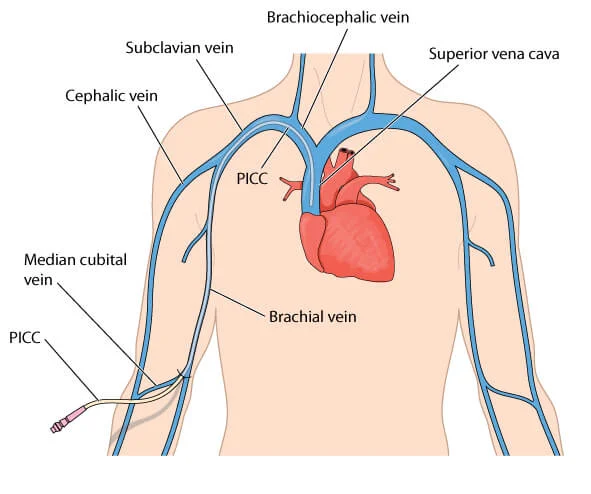
Central parental nutrition (CPN) is the delivery of nutrients via a central vein. This is also referred to as a central line. This can be achieved through a central venous catheter (CVC) line, which is inserted into the jugular or subclavian vein OR via a peripherally inserted central catheter (PICC), which is inserted into the basilic or cephalic vein and is advanced to end in the superior vena cava.
Now that you know about central lines, let's learn how they differ from peripheral lines!
Note: This content is from CleverOrcaPN.ca REx-PN® review. If you want to take it a step further and learn all of these concepts, click here.
What are Peripheral IV lines?
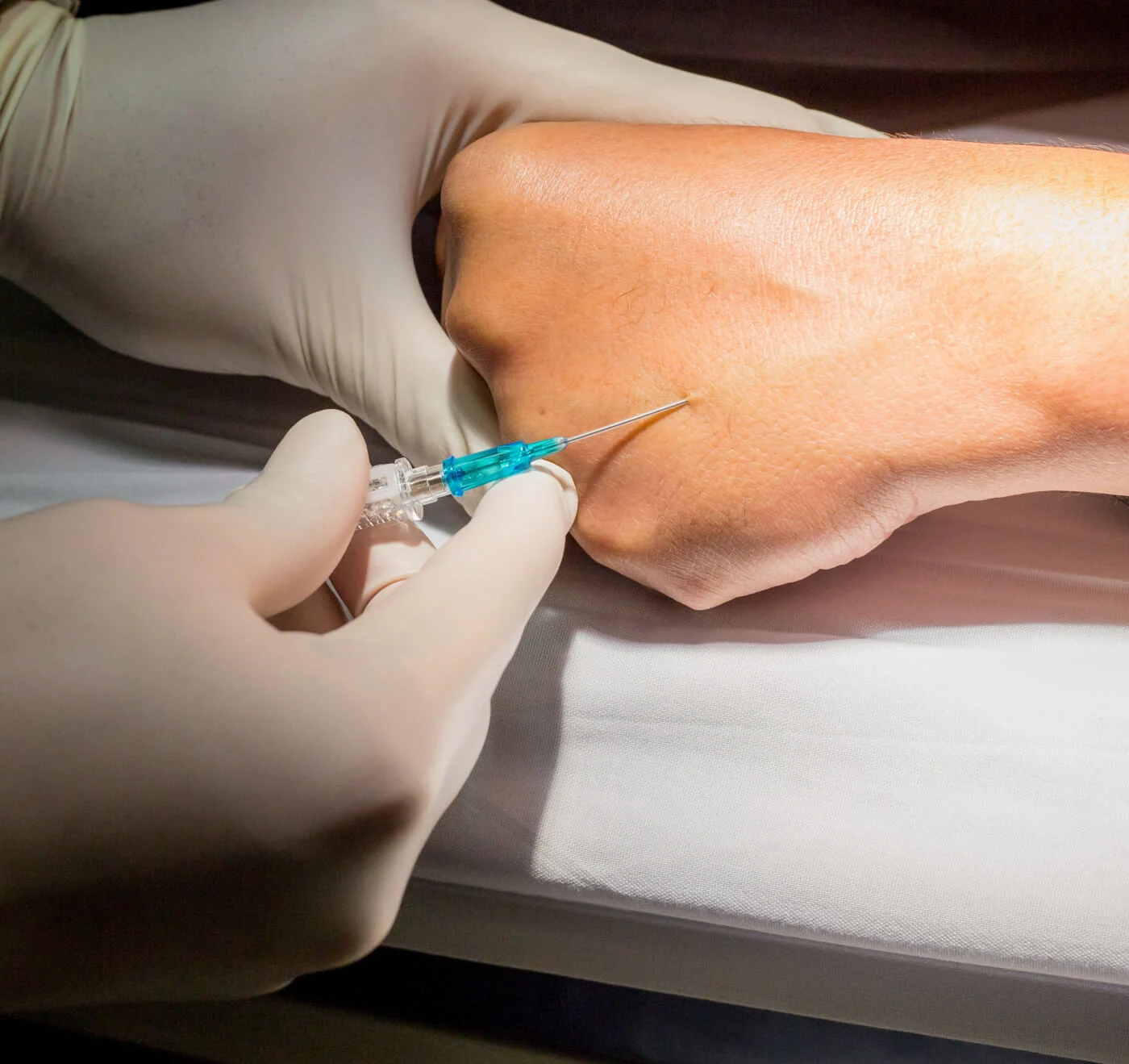
Peripheral IVs are intravenous catheters that are placed into a peripheral vein (hands, arm, or feet) to provide fluids and medications to your client. The line ends where the length of the catheter ends, which is inside the vein.
Nurses must understand the differences between a peripheral line and a central line and the responsibilities of handling both. Since the central line's tip terminates in the superior vena cava (leading into the heart), there are significant safety precautions to be followed by the nurse.
Now that you have reviewed central lines and peripheral lines, do you feel confident answering the REx-PN® practice question above?
Answer: B. A PICC line is a central line inserted into a larger peripheral vein and threaded into the subclavian vein
Want more questions like this? You are in luck! We have a free trial for the REx-PN® review course at CleverOrcaPN.ca.
Yes, you're on the right track! Keep going!
CleverOrcaPN Team
We are here for you
📧 Got questions? Reach out anytime: support@cleverorcapn.ca
🌟 97% Pass Rate: 🇨🇦 Built by Canadian faculty, made for REx-PN
🇨🇦 Canadian owned and operated
About Us
Become a Partner or Sponsor
REx-PN Exam Guide
Terms and Conditions