
Cystic Fibrosis Review
for the REx-PN®
for the REx-PN®
Q. A Pediatric nurse receives a new admission from the emergency room (ER). The client is suspected of having cystic fibrosis (CF). What is the appearance of the stools in a client with cystic fibrosis?
A. Bulky, foul-smelling stools
B. Black tarry stools
C. Currant jelly (mixture of blood and mucous) stool
D. Ribbon-like stools
Before we go into the details of cystic fibrosis (CF), let's first know what it is. Learning about cystic fibrosis is crucial to passing the REx-PN®.
What is Cystic Fibrosis?
Cystic fibrosis (CF) is a chromosomal genetic abnormality (CTFR gene on chromosome 7) characterized by generalized dysfunction of the exocrine glands. These glands produce mucus, sweat, and digestive juices, which are normally thin, slippery fluids. With CF, these fluids become thick and sticky, causing mechanical obstruction in certain areas of the body. The lungs, pancreas, and sweat glands are the areas primarily affected by the disease.
How Does Cystic Fibrosis Affect Different Parts of the Body?
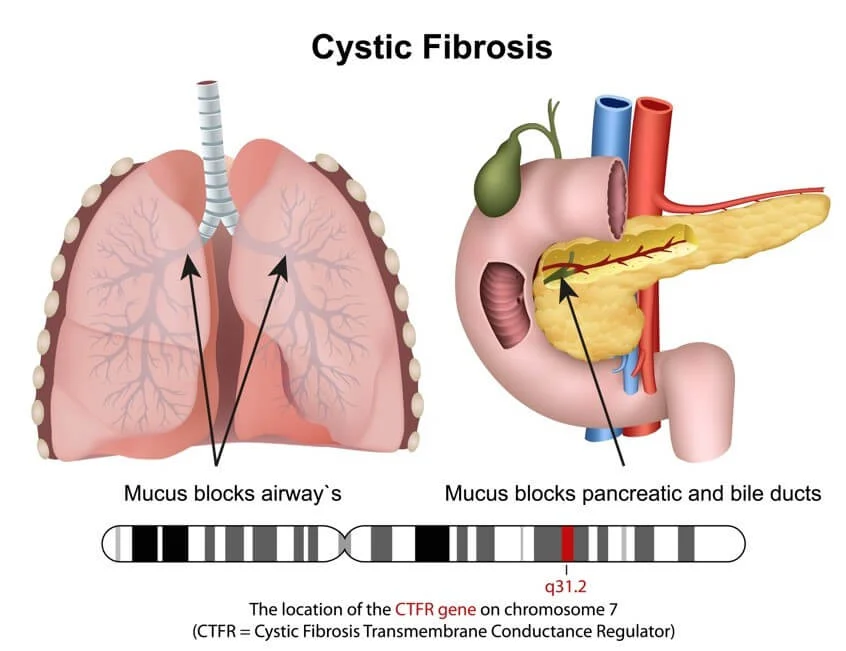
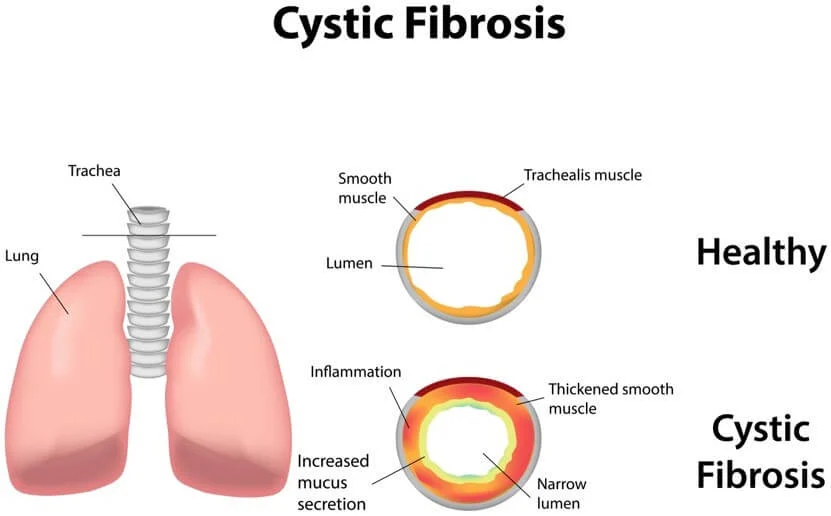
The disease affects the pulmonary system by producing thick mucus in the bronchioles and bronchi, causing airway obstruction. The secretions provide an excellent medium for bacterial growth, which lead to the development of secondary respiratory tract infections, atelectasis, and significant impairment of gas exchange.
Thick mucus also blocks the pancreatic ducts so digestive enzymes cannot flow to the small intestines.
So what do you think happens next? You're right! Digestion in the small intestines becomes impaired which results in poor absorption and chronic nutritional deficiencies.
Due to a faulty gene that controls the movement of chloride and water into and out of cells, the client with CF will often have problems with their sweat glands and will sweat more than individuals without the condition (loss of high levels of chloride).
Are you feeling more confident with this review? Way to go!
Note: This content is from CleverOrcaPN.ca REx-PN® review. If you want to grab similar content, click here for the details.
Symptoms of CF
Thankfully, newborn screening allows CF to be diagnosed within the first month of life, so the disease can be managed before any symptoms appear. However, if the disease is not diagnosed early enough, some signs and symptoms can appear and worsen over time.
The main symptoms of CF are respiratory issues: thick mucus, cough, wheezing, exercise intolerance, recurrent lung infections, and sinusitis. The buildup of secretions causes airway problems. Additionally, the digestive system can also be affected by CF. As thick mucus also blocks the bile and pancreatic ducts, digestive enzymes cannot flow to the small intestines to help in digestion. As a result, the absorption of nutrients is also impaired. This can lead to foul-smelling, greasy, bulky stools, poor weight gain, and chronic constipation.
Treatment of CF
Unfortunately, there is no cure for CF. However, medications and other therapies can help manage and ease symptoms. Antibiotics are often given to treat any secondary infections caused by mucus buildup. Mucus thinners and bronchodilators are also regularly used to help remove the secretions from and open the airways. There are also CFTR modulators that allow the CFTR gene to work properly. These modulators help thin mucus, easing breathing and improving digestion and weight.
If you understand cystic fibrosis better now, let's go back to the REx-PN® practice question above and see if you can answer it!
Answer: A. Bulky, foul-smelling stools
Build more confidence to take the REx-PN® by answering questions here. It's free!
Study Tip for Cystic Fibrosis
Cystic fibrosis = Sticky Mucus
Try saying this out loud as many times as you can!
Success is at hand. Never give up!
CleverOrcaPN Team
We are here for you
📧 Got questions? Reach out anytime: support@cleverorcapn.ca
🌟 97% Pass Rate: 🇨🇦 Built by Canadian faculty, made for REx-PN
🇨🇦 Canadian owned and operated
About Us
Become a Partner or Sponsor
REx-PN Exam Guide
Terms and Conditions