
Head Injuries Review
for the REx-PN®
Q: A client sustained a severe head injury after sliding head-first into the boards during a hockey game. During admission to the emergency department, the nurse places the highest priority on the assessment for which of the following?
A. Presence of a neck injury
B. Neurologic status according to the Glasgow Coma Scale (GCS)
C. Cerebro-spinal fluid leakage from the ears or nose
D. Patency of the airway
Questions in the REx-PN® that ask you to prioritize can be tricky! Before answering the question above, let's discuss what a head injury is, particularly a concussion.
What Is a Head Injury?
Head injury is any trauma to the scalp, skull, or brain. Let's dive into concussion, which is also known as mild traumatic brain injury, and how to assess concussed clients.
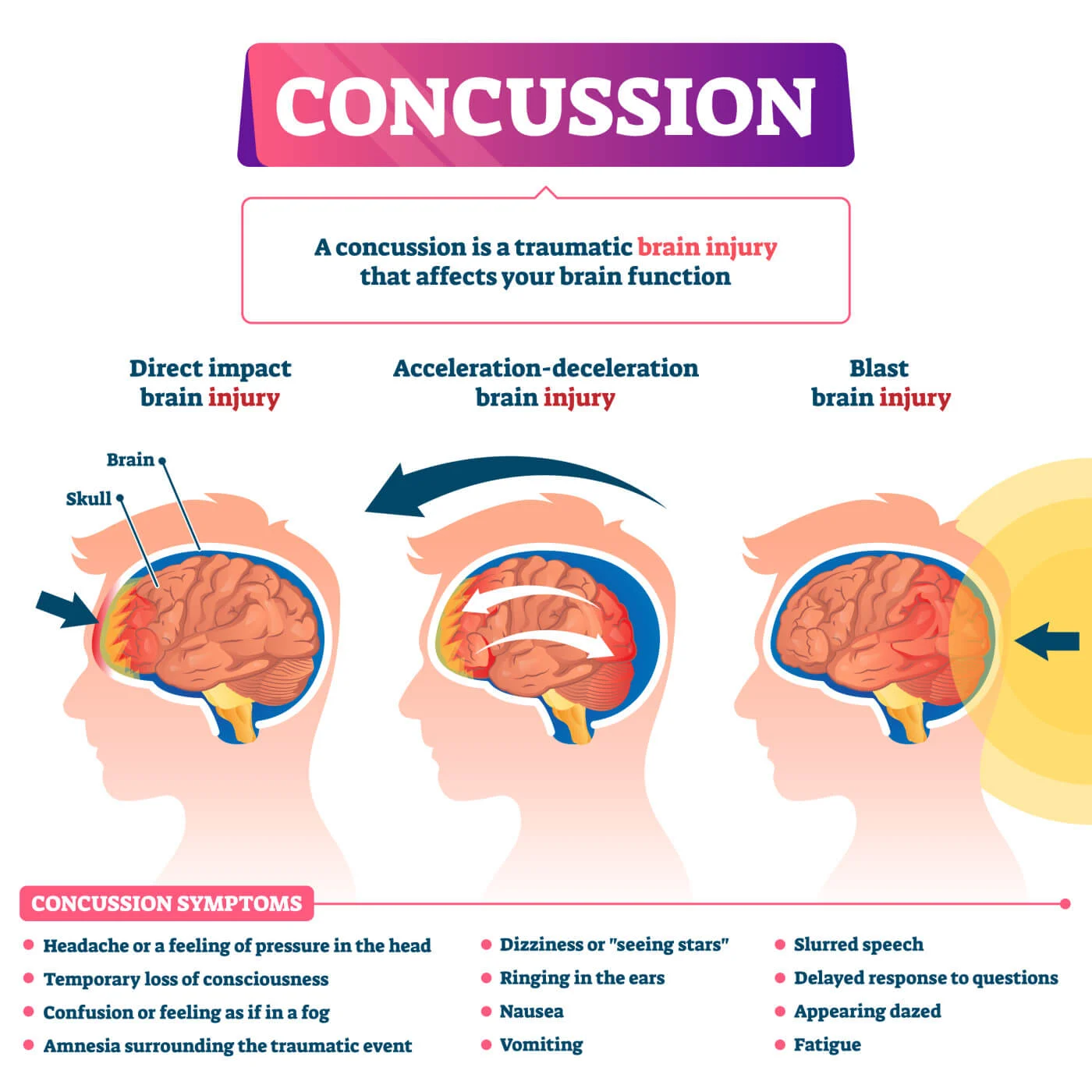
A concussion is a sudden, mechanical head injury (brain injury) with disruption of neural activity and a change in LOC (level of consciousness). This may occur for a variety of reasons, including falls, blows to the head, or any other trauma that may shake or hit the brain inside your skull.
Signs of a concussion may include a brief disruption in LOC, amnesia regarding the event (retrograde amnesia), severe headache, vomiting (usually nausea is not present), and dizziness.
Concussions can be minor in severity; however, they can become a major head injury if delayed responses or complications occur post-injury, such as hemorrhage, hematoma formation, seizures, and cerebral edema.
Now that we know what a head injury is, let's learn how these injuries are classified, assessed, and treated!
Note: This content is from CleverOrcaPN.ca REx-PN® review. If you want to grab similar content, click here.
How Do You Classify Brain Injuries?
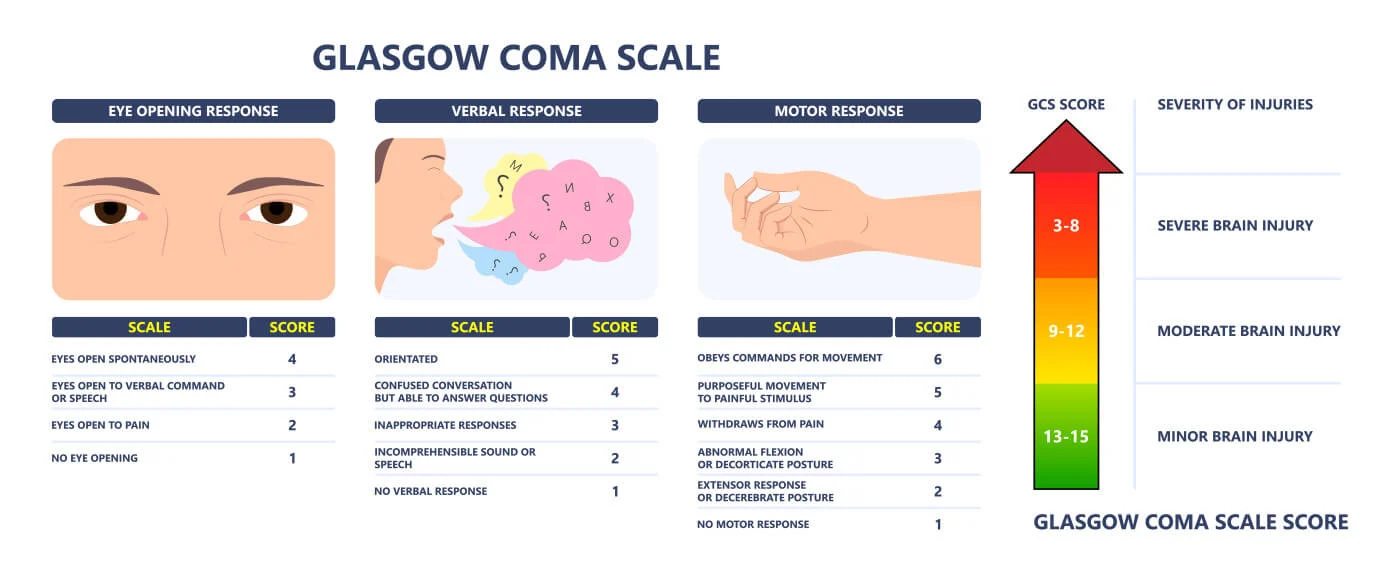
Brain injuries can be classified from mild to severe using the GSC scores. The Glasgow Coma Scale is a valuable tool for identifying the severity of the head injury. A mild injury has a GCS score of 13-15, a moderate injury has a GCS score of 9-12, and a severe injury has a GCS score of 3-8.
How Do You Assess and Treat Brain Injuries?
Head injuries are one of the most common causes of death for people under the age of 40. It's important to know how to assess and classify brain injuries to prevent further complications for these clients.
When a brain injury occurs, the priority is placed on the client's airway, breathing, and circulation (ABCs), as cerebral oxygenation and perfusion cannot happen without a patent airway. Once it is confirmed that the client is stable and receiving enough oxygen throughout their body, you can classify the injury using the Glasgow coma scale. Further diagnostics, such as a CT scan or MRI, may be required.
Mild head injuries have a very low risk for having acute intracranial complications. Generally, they can be treated with anti-inflammatories, pain relievers, and anti-nausea medications (if vomiting has occurred).
If you feel like you now know more about head injuries, let's add to our knowledge by answering the REx-PN® practice question above!
Answer: D. Patency of the airway
Build more confidence to take the REx-PN® by answering question here. It's free!
That was one vital step towards success! Keep up the hard work!
CleverOrcaPN Team
We are here for you
📧 Got questions? Reach out anytime: support@cleverorcapn.ca
🌟 97% Pass Rate: 🇨🇦 Built by Canadian faculty, made for REx-PN
🇨🇦 Canadian owned and operated
About Us
Become a Partner or Sponsor
REx-PN Exam Guide
Terms and Conditions