
Kidney Disease Review for REx-PN®
Q: A client is diagnosed with acute kidney injury (AKI). Which characteristic(s) occur with AKI but do not with chronic kidney disease (CKD)?
A. AKI is a gradual, progressive process
B. AKI is an irreversible reduction in renal function
C. AKI has a glomerular filtration rate (GFR) of 15-29 mL/min
D. AKI is a clinical syndrome with an abrupt loss of kidney function
Before we dive into the difference between acute kidney injury and chronic kidney disease, let’s review how the kidneys work.
How Do the Kidneys Work?
The kidneys are such an important organ as they are responsible for filtering your blood and removing any waste, toxins, and extra fluids from your body. But did you know they are responsible for so much more? Kidneys help keep a healthy acid/base balance, help create hormones to control blood pressure, and help keep bones strong and healthy. They truly are amazing organs!
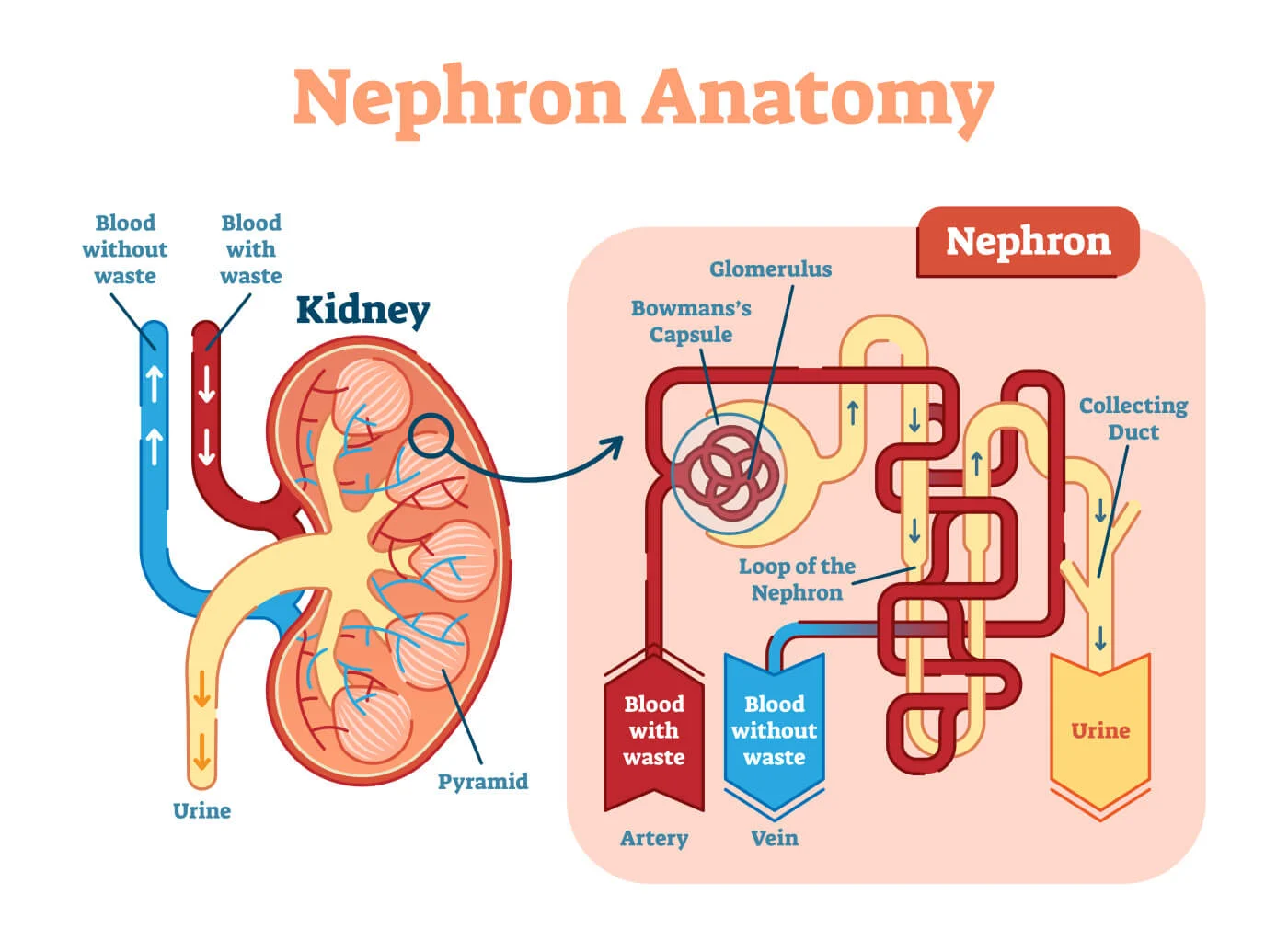
Kidneys are made up of millions of little filtering units called nephrons. Within each nephron, there is a specialized filter called the glomerulus, which filters your blood, and a tubule, which returns needed substances back into your blood and helps remove the waste. Waste is removed from the body through urine, which is also produced in the kidneys.
Blood flows into the kidney through the renal artery and leaves the kidney through the renal vein. A healthy kidney can filter around half a cup of blood every minute, which equates to around 150 quarts of blood every day. Kidney health can be measured by the glomerular filtration rate (GFR), which measures how well your kidneys function.
Now that we know how the kidneys work, let’s talk about what can happen if the kidneys become injured.
Note: This content is from CleverOrcaPN.ca REx-PN® review. If you want to take it a step further and learn all of these concepts, click here.
Types of Kidney Injuries
There are two main types of kidney failure: acute and chronic.
Acute kidney injury (AKI) is a sudden loss of kidney function that occurs within a few hours or days. It causes a buildup of toxins and wastes in your body as they cannot be filtered.
The cause of AKI can be divided into 3 main categories:
- Prerenal: any cause of reduction of renal blood flow.
Examples: hypotension, hypovolemia, and decreased cardiac output.
- Intrarenal: kidney tissue diseases.
Examples: “-itis” glomerulonephritis, pyelonephritis, exposure to nephrotoxins.
- Postrenal: any cause restricting or preventing the outflow of urine.
Examples: renal calculi, BPH, bladder cancer.
Chronic kidney disease (CKD) is a progressive, irreversible reduction in renal function as the kidneys can no longer maintain homeostasis in the body. CKD is generally caused by chronic high blood pressure (hypertension) but can also be caused by diabetes, glomerulonephritis, and inherited diseases such as polycystic kidney disease.
With CKD, the glomerular filtration rate (GFR) scores will gradually decrease as the nephrons are destroyed. The remaining nephrons are subjected to an increased workload, resulting in hypertrophy and the inability to concentrate urine.
There is no “cure” for chronic kidney disease, but thankfully there are treatments such as dialysis, which is a procedure in which your blood is filtered through a machine to give your kidneys time to heal. Unfortunately, a kidney transplant is the only way to regain a fully functioning kidney.
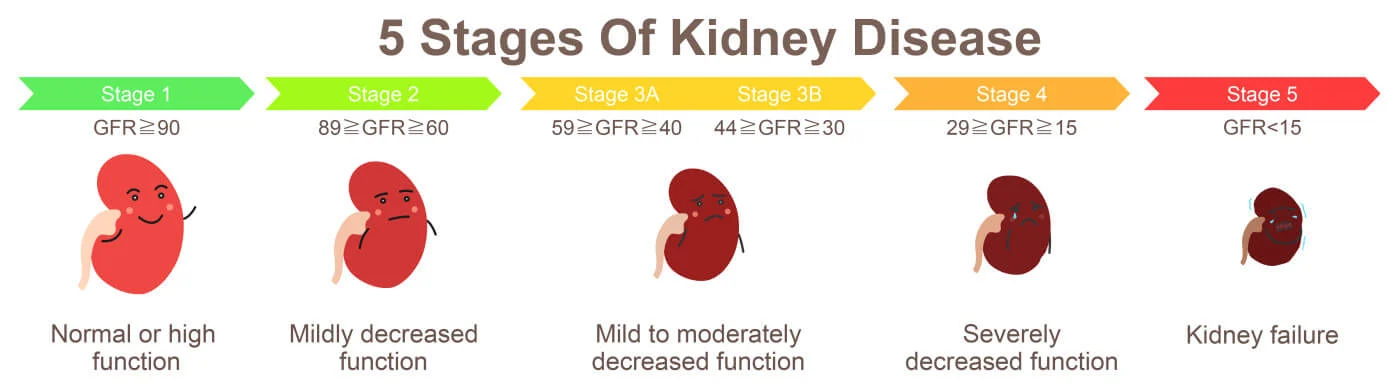
Understanding the differences between the two types of kidney failure is essential. Using a chart or an image can assist in relating the 5 stages of kidney disease with the GFR scores.
Now that we have reviewed how the kidneys work and what happens to them if they are injured or diseased, do you feel confident answering the REx-PN® practice question?
Answer: D. AKI is a clinical syndrome with an abrupt loss of kidney function
Check out our test bank here if you want more questions like this. Our review course has helped many students pass! Visit us at CleverOrcaPN.com REx-PN® review.
Study Tips for Kidney Disease
Acute shares a T with Intense: acute is a short but intense injury, but it will be solved in a short period of time.
Chronic shares an R with Recurring: chronic indicates that it is long-term and will reappear in time.
Success is at hand! Never give up!
CleverOrcaPN Team
We are here for you
📧 Got questions? Reach out anytime: support@cleverorcapn.ca
🌟 97% Pass Rate: 🇨🇦 Built by Canadian faculty, made for REx-PN
🇨🇦 Canadian owned and operated
About Us
Become a Partner or Sponsor
REx-PN Exam Guide
Terms and Conditions