

Let's start with a question:
Layers of the Skin Review for
the REx-PN®
Q. What is the most superficial layer of the epidermis?
A. Stratum lucidum
B. Stratum granulosum
C. Stratum corneum
D. Stratum spinosum
The skin is the body's largest organ and includes a thin layer of tissues covering the entire outer layer of the body. The skin is divided into three parts: superficial skin (epidermis), deep skin (dermis), and the subcutaneous layer (hypodermis).
What are the Skin's Layers?
The dermis (deep skin) is the middle layer of the skin and is divided into two layers: the papillary dermis and the reticular dermis. The dermis is also the thickest layer of the skin and is the area responsible for making melanin. It consists of connective tissues, nerve endings, sweat glands, oil glands, and hair follicles.
The hypodermis (deepest skin) is the bottom layer of the skin. Its main functions are connection, insulation, protection, and storing energy, and it is mainly composed of connective and adipose tissues.
Now onto the reason we're here: the epidermis. The epidermis (superficial skin) is a stratified epithelium whose cells become flattened as they mature and rise to the surface. It varies in thickness throughout your body. On the palms of the hand and soles of the feet, it is extremely thick, which can be measured up to 1.5 milliliters, to withstand the wear and tear in this region. It is thin in other parts, like the anterior surface of our forearm.
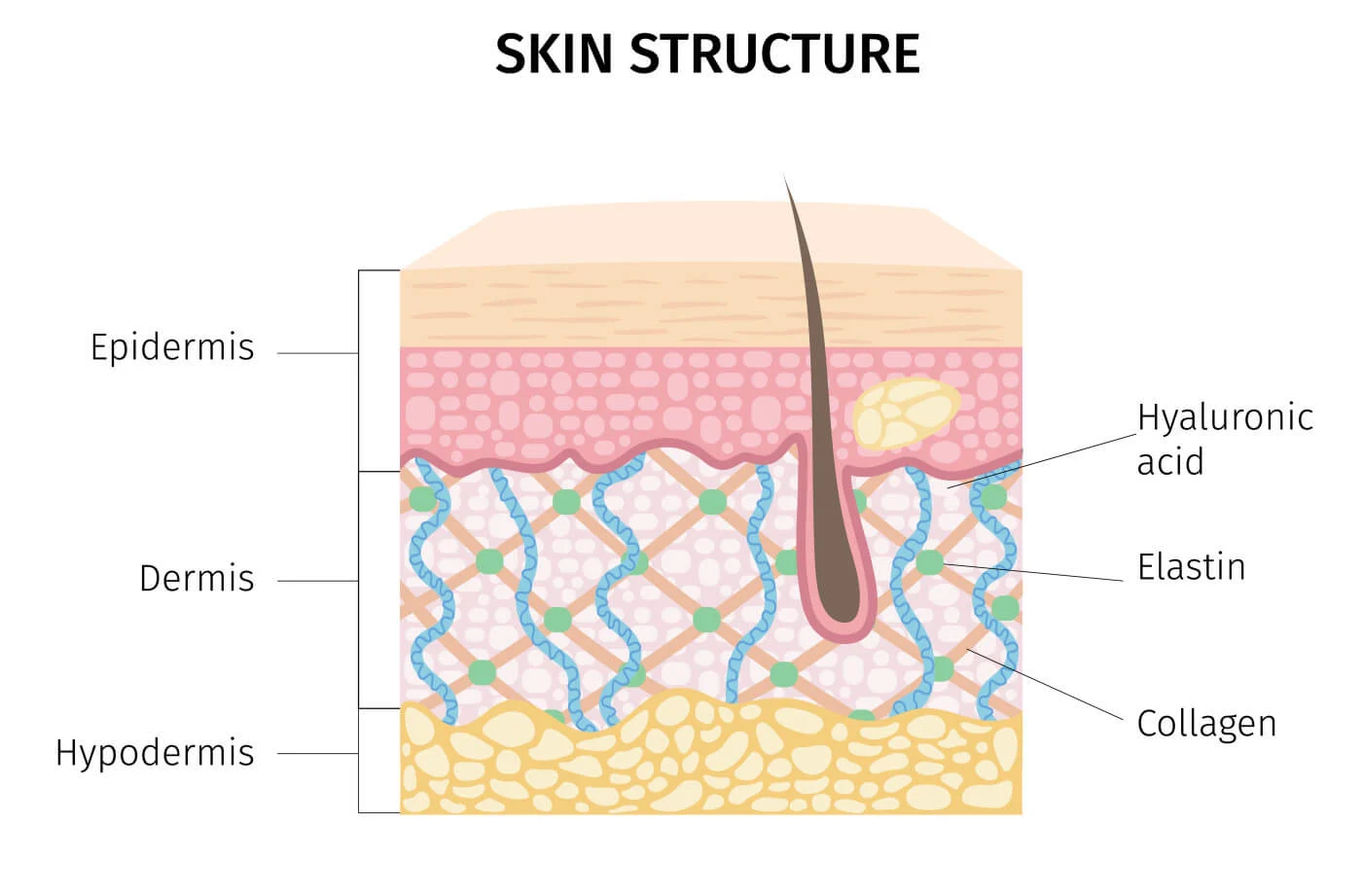
Let's learn more about the epidermis! You got this!
Note: This content is from CleverOrcaPN.ca REx-PN® review. If you want to grab similar content, click here.
What are the Cells of the Epidermis?
3 major cells make up the epidermis:
- Keratinocytes proliferate in the basal layer and start to differentiate as they go up the surface. Keratinocytes produce keratin. They play an essential role in keeping the body's structure intact and provide protection from outside forces. In the case of an injury, they execute the re-epithelialization process [generating new epithelial cells to replace damaged ones].
- Melanocyte cells make melanin, which produces the color of your skin. There are two types of melanin: eumelanin, which primarily makes darker colors like your hair and eyes, and pheomelanin, which primarily makes pink or red colors like your nipples and lips.
- Langerhans cells determine the appropriate adaptive immune responses brought upon by foreign substances.
Overall, the epidermis is a safeguard on your body and protects the deeper structures like your muscles, organs and bones. As you remember, keratinocytes are found in all layers of the epidermis. The only difference is that keratinocytes change shape and structure from one layer of skin to the next. Each layer of the skin has different functions.
What are the 5 Layers of the Epidermis?
Here are the 5 layers of the epidermis arranged from the deepest to the most superficial layer:
Stratum Basale (stratum germinativum) is the deepest layer of the skin.
- It is primarily made of basal cells.
- This is where keratinocytes and melanocytes produce keratin and melanin, respectively.
- Merkel's disc can also be found here, which is a receptor to stimulate the sensory nerves and let the brain interpret touch.
Stratum Spinosum consists mostly of keratinocytes held together by desmosomes and helps keep your skin flexible and strong.
Stratum Granulosum consists mostly of keratinocytes with granules in them. The granules contain lipids that help create a waterproof barrier that prevents bodily fluid loss.
Stratum Lucidum consists of keratinocytes that are dead and flattened. This layer is smooth and translucent and can only be found in thick skin like palms, soles and digits.
Stratum Corneum is the most superficial layer and is the one exposed to the outside.
- In this layer, keratinocytes become corneocytes.
- Corneocyctes protect your skin from harm.
- This layer also consists of fats that keep water from easily entering or leaving your body.
- The corneocyte will eventually shed as the new keratinocytes from the stratum basale make their way to the surface.
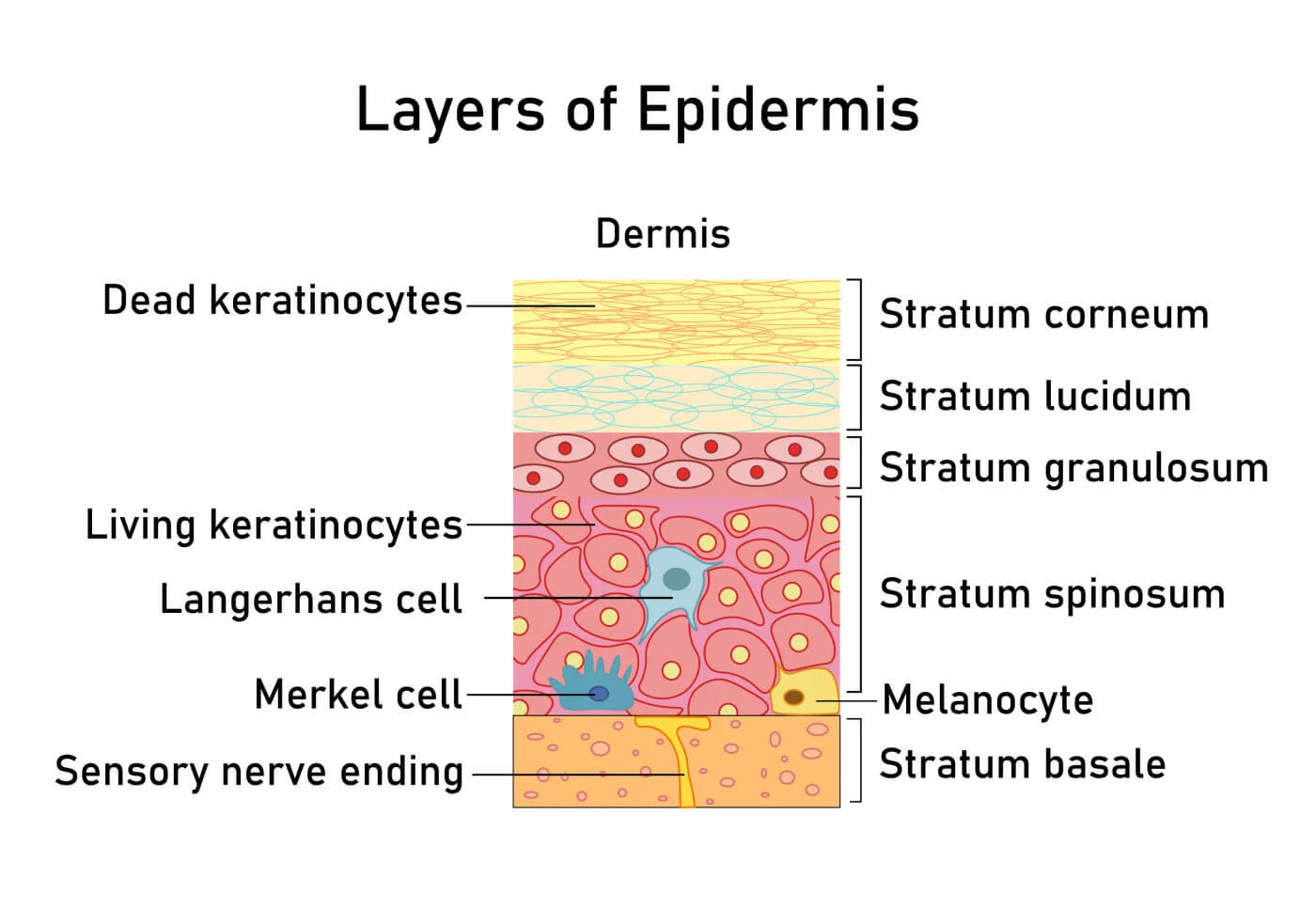
Of all 5 layers of the epidermis, do you see a name that resembles "corneocytes"? This is a helpful key to answering the question as corneocytes only exist in the most superficial layer of the epidermis. Stratum Corneum most resembles the term "corneocytes." Excellent work! You have made your way to the correct answer and learned many things along the way.
If you feel like you know the skin layers now, let's add to your knowledge by answering the REx-PN® practice question above!
Answer: C. Stratum Corneum
Remember to study hard but don't be afraid to take a breather once in a while. Should you decide to keep going, practice answering questions here for free!
Study Tips for Epidermis Layers
Remember the mnemonic: Corn Lovers Grow Several Bales (from superficial to deep).
Success is in your hands! Never give up!
CleverOrcaPN Team
We are here for you
📧 Got questions? Reach out anytime: support@cleverorcapn.ca
🌟 97% Pass Rate: 🇨🇦 Built by Canadian faculty, made for REx-PN
🇨🇦 Canadian owned and operated
About Us
Become a Partner or Sponsor
REx-PN Exam Guide
Terms and Conditions