

Postpartum Hemorrhage Review
for REx-PN®
What is Postpartum Hemorrhage?
Nursing Techniques for Postpartum Hemorrhage
Study Tips for Postpartum Hemorrhage
Q: Which of the following circumstances is most likely to cause uterine atony leading to postpartum hemorrhage?
A. Hypertension
B. Cervical and vaginal tears
C. Urine retention
D. Endometritis
Understanding pregnancy is essential for nursing students. In an ideal situation, no complications will arise during pregnancy, delivery, or postpartum, but on occasion, there are complications that nursing students should be familiar with. Let's take a look into one of these complications, postpartum hemorrhages, as part of our REx-PN® review.
What is Postpartum Hemorrhage?
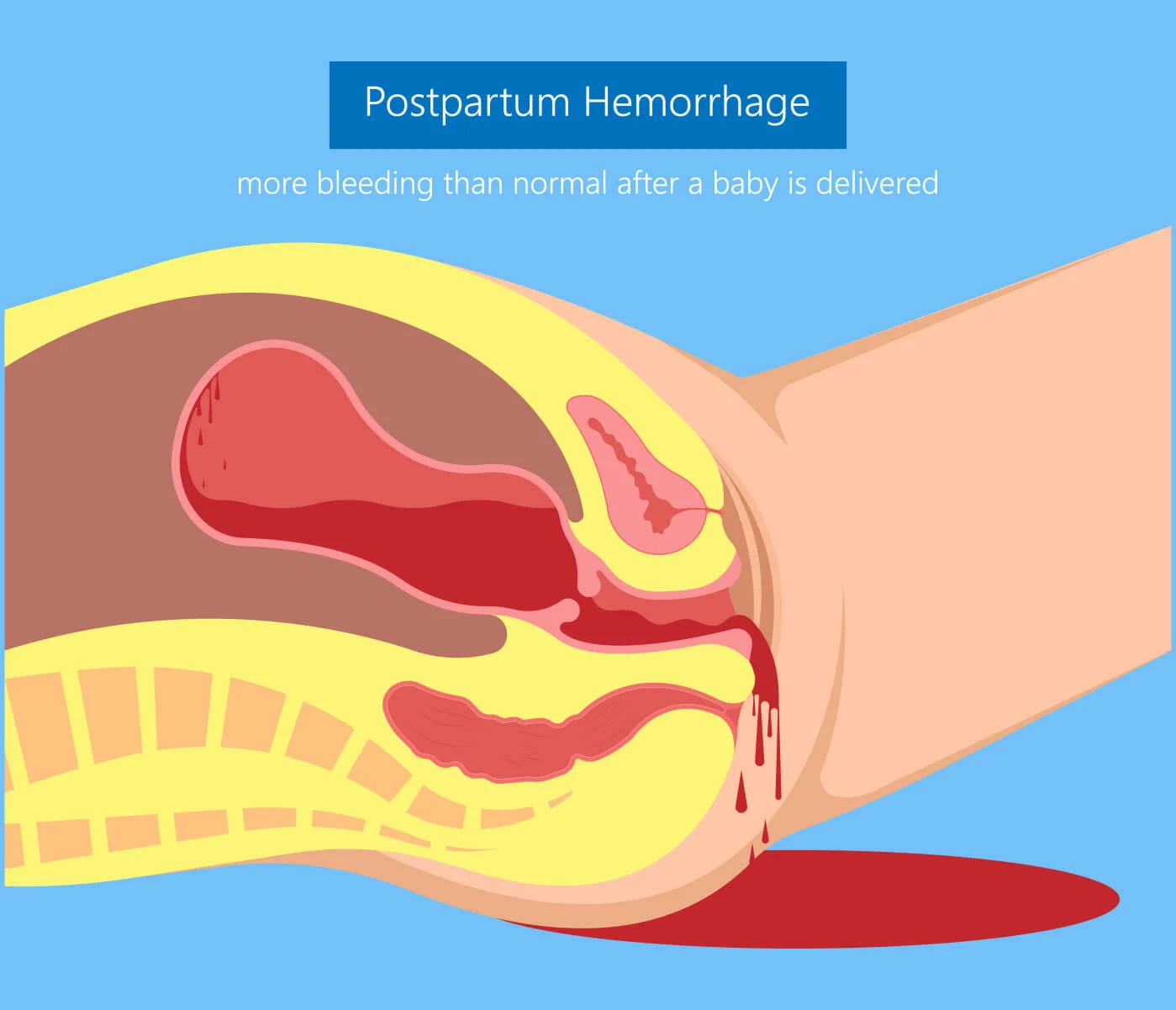
Postpartum hemorrhage (PH) is fancy terminology for bleeding after giving birth. It occurs when there is a loss of 500 mL or more of blood after vaginal birth and 1000 mL or more after cesarian birth. There are many causes why this bleeding may occur, but common causes include uterine atony, lacerations, retained placental tissue, and coagulopathy.
Clinical manifestations include difficulty locating or feeling the uterine fundus (fundal height measurements are important post-delivery), bright red lochia, excessive clots expelled at birth, and symptoms of shock (weak, rapid pulse, low blood pressure, pallor, restlessness, etc.).
The key to managing PH is prevention, including good prenatal care, early diagnosis and management, and avoidance of traumatic procedures.
Now that you have a general idea of what postpartum hemorrhage is, let's learn how to manage it!
Note: This content is from CleverOrcaPN.ca REx-PN® review. If you want to grab similar content, click here for the details.
Nursing Techniques for Postpartum Hemorrhage
Careful observation of vaginal bleeding is a nursing priority post-delivery. Bleeding can be assessed by doing a pad count or weighing the perineal pads. Remember to always check under the client's buttocks as blood may flow between the buttocks.
Urine retention is a common cause of uterine atony as it causes the distended bladder (full bladder) to displace the uterus ABOVE the umbilicus, which prevents the uterus from contracting. The uterus needs to continue contracting to maintain bleeding within normal limits.
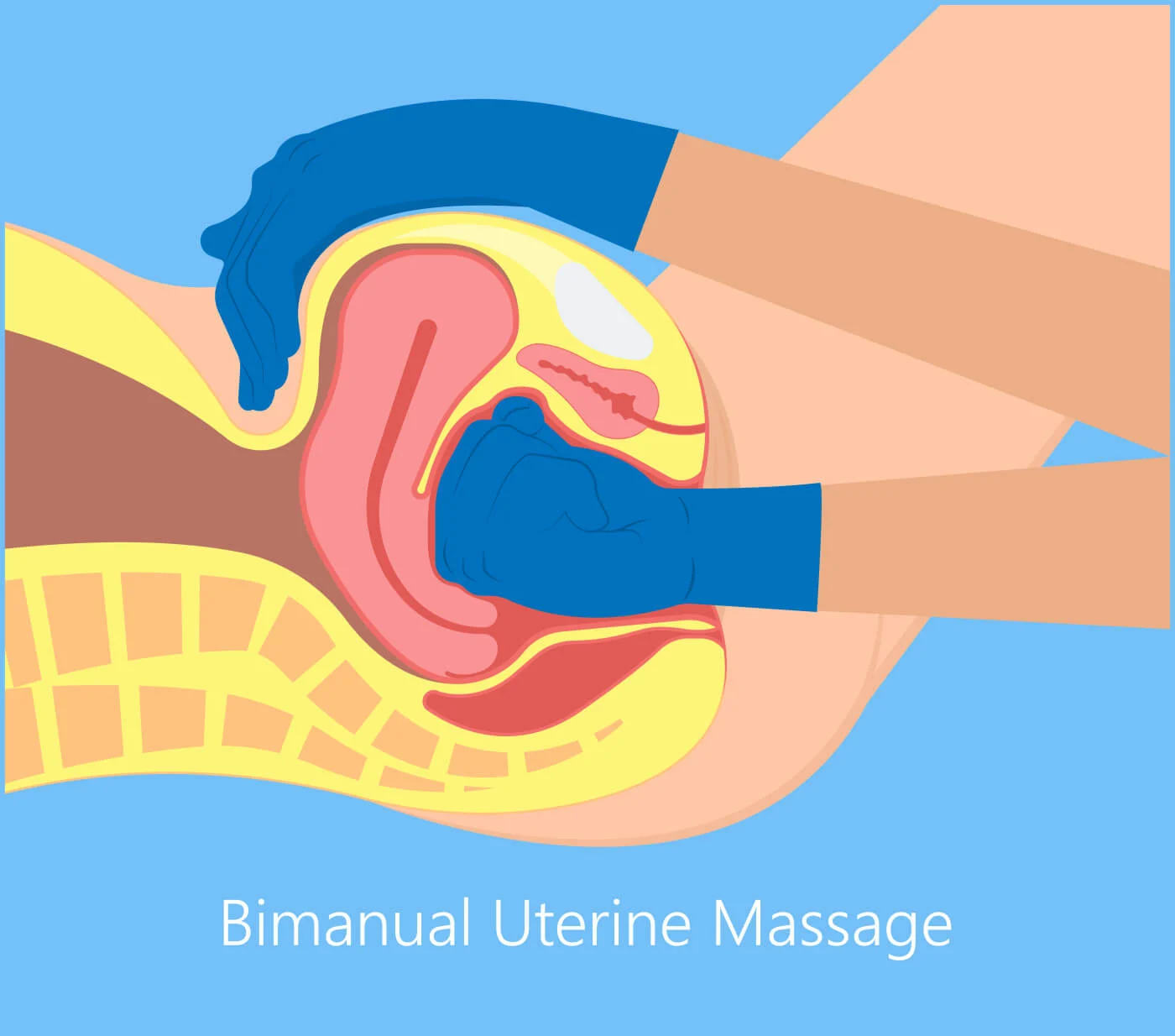
Cervical and vaginal tears can lead to postpartum hemorrhage; however, a full bladder is the most common cause. Treatment for uterine atony is oxytocic medications, bimanual massage of the uterus, and fluid /blood replacement.
So we've covered PH and the nursing interventions needed to manage it. Are you prepared to answer the REx-PN® practice question above?
Answer: C. Urinary retention
Build more confidence to take the REx-PN® by answering questions here. It's free!
Study Tips for Postpartum Hemorrhage
Use the Four T's mnemonic to remember the most common causes of postpartum hemorrhage.
1. TONE - uterine atony.
2. TRAUMA - laceration, hematoma, inversion, rupture.
3. TISSUE - retained tissue or placenta.
4. THROMBIN - coagulopathy.
Success is at hand! Never give up!
CleverOrcaPN Team
We are here for you
📧 Got questions? Reach out anytime: support@cleverorcapn.ca
🌟 97% Pass Rate: 🇨🇦 Built by Canadian faculty, made for REx-PN
🇨🇦 Canadian owned and operated
About Us
Become a Partner or Sponsor
REx-PN Exam Guide
Terms and Conditions